Your body already knows how to heal.
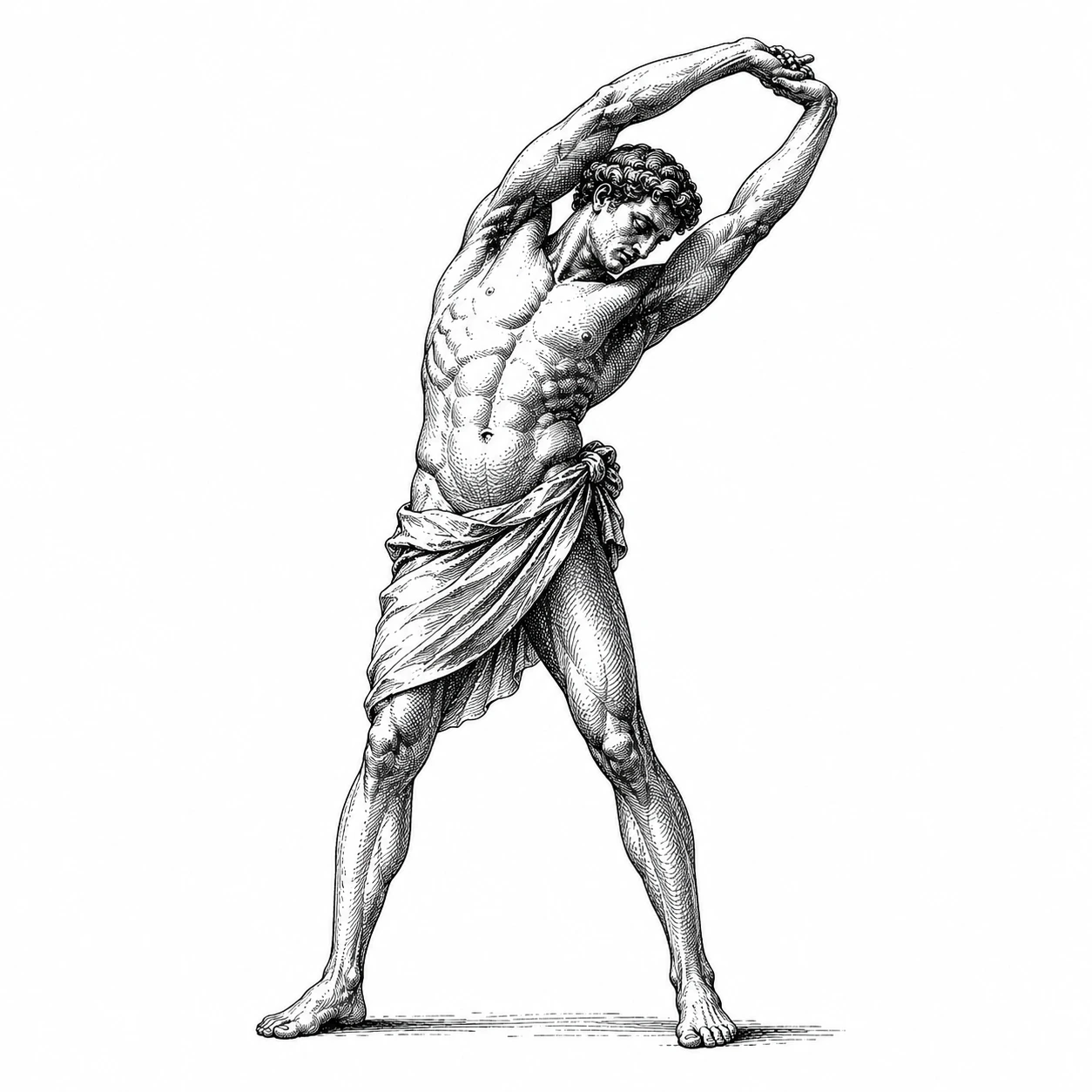

What Is Pandiculation?

What Is Pandiculation? Understanding This Somatic Movement Pattern
Pandiculation is a deeply instinctive neuromuscular response observed throughout the animal kingdom. Typically surfacing during transitions between states of rest and activation, especially upon waking, most people recognize it as the spontaneous combination of yawning, stretching, arching, or shaking that naturally reorganizes the body after periods of immobility.
In modern somatic therapy, clinical pandiculation is utilized as an evidence-based mechanism for:
- How to release somatic tension and chronic tightness
- Nervous system regulation and autonomic balance
- Myofascial release and deep fascia relaxation
- Somatic shaking for trauma recovery and stress relief
- Vagus nerve stimulation and resetting the threat response
- Restoring mind-body connection and sensory awareness
In my method, pandiculation serves as an intentional catalyst to awaken the body’s self-regulation mechanisms. By consciously engaging these motor pathways, we activate the neurogenic shaking responses needed to discharge accumulated stress patterns stored deep within the musculature and connective tissues.
Unlike passive static stretching, pandiculation requires active neurological participation. The process follows a precise sequence: a deliberate voluntary contraction, sustained conscious engagement, and a slow, controlled eccentric release. This direct engagement of the brain’s sensorimotor circuitry changes muscle length from the inside out, rather than forcing the tissue through external strain.
As deep-seated tension dissolves, the nervous system often triggers involuntary yawning, trembling, sighing, or spontaneous movement. Far from random, these motor behaviors are clear biological markers of autonomic recalibration and muscular reorganization.
How Brain-to-Muscle Communication Explains Chronic Muscle Tightness
The Gamma Loop and Neuromuscular Conditioning
The root cause of persistent body stiffness lies within a specialized feedback loop known as the gamma loop. Operating as a continuous regulatory system, the gamma loop monitors muscular tension and posture via sensory receptors embedded throughout the muscles and myofascial network, automatically maintaining movement efficiency and joint stability.
However, modern chronic stress changes this baseline.
Accumulated emotional stress, unresolved trauma responses, sedentary work postures, ongoing anxiety, and survival states condition the nervous system to lock into persistent contraction. Over time, the central nervous system accepts these hypertonic states as the new normal.
This neurological shift leads to what somatic educators and neuroscientists identify as:
- Chronic muscular holding patterns
- Autonomic nervous system dysregulation
- Sensorimotor amnesia (the brain losing the ability to relax a muscle)
- Diminished proprioceptive awareness
- Autonomic rigidity and physical numbness
Consequently, muscles remain chronically contracted even during rest, while conscious motor control and sensory feedback steadily degrade.
Those struggling with daily discomfort like:
- Chronic neck pain and shoulder stiffness
- Lower back pain and pelvic floor tension
- TMJ, jaw tension, and stress headaches
- Shallow breathing patterns and chest tightness
- Anxiety-induced body armor or emotional numbness
- Nervous system burnout symptoms
are usually bound by these conditioned neuromuscular loops, unaware that the physical body is repeating a survival reflex.
Why Stretching Doesn’t Work for Chronic Muscle Tension
Passive Stretching vs. Neurological Re-Education
Traditional stretching styles focus on pulling the muscle fibers externally. While this provides a brief sensation of length, it rarely offers permanent relief because it fails to retrain the brain’s motor output.
Pandiculation resolves this limitation directly.
By pairing intentional contraction with an exceptionally slow, conscious release, this process delivers updated sensory feedback straight to the nervous system. This direct input allows the gamma loop to reset the resting tone of the muscle safely.
Through this deliberate neuromuscular re-education:
- The brain relearns the true optimal resting tone of the tissue
- Involuntary muscular guarding decreases naturally
- Interoceptive and body awareness improve
- Voluntary motor control returns to localized areas
- The brain updates and deletes obsolete tension patterns
This functional shift highlights why somatic movement practices are becoming integral to trauma-informed bodywork, chronic stress recovery, and nervous system healing. True physical relief occurs because the neural programming changes first.
Trauma and the Myofascial Network: How Stress Spreads
Fascia Release and the Interconnected Body
Contemporary fascia research clarifies that the human body does not function as a collection of isolated muscles. Instead, the myofascial network operates as a singular, highly responsive system that distributes force, impact, emotion, and physical tension throughout the entire organism.
This structural continuity explains why emotional stress held in one region can immediately alter:
- Diaphragm movement and breathing mechanics
- Postural alignment and spinal stability
- Joint mobility and gait efficiency
- Enteric nervous system function and digestion
- Pelvic floor relaxation and hip mobility
Pandiculation acts as a global reset mechanism for this integrated myofascial network. Emerging biomechanical and somatic theories suggest that stretch-yawning responses serve as an essential maintenance loop to preserve fascial hydration and structural integrity.
From a clinical standpoint, integrating pandiculation into your routine promotes:
- Deep fascia tissue release and myofascial hydration
- Vagus nerve regulation and parasympathetic dominance
- Natural postural restoration and pain reduction
- Fluidity of movement and diminished physical rigidity
This explains why individuals frequently experience waves of warmth, emotional release, or spontaneous trembling during a dedicated somatic practice.
Pandiculation in Somatic Shaking™: How to Trigger Involuntary Tremors Safely
Activating Neurogenic Shaking for Stress Release
Within the Somatic Shaking™ framework, pandiculation is utilized as the primary gateway to access therapeutic tremoring and neurogenic shaking safely.
The neuro-somatic sequence is straightforward yet powerful:
- Intentional muscular contraction of a specific target zone
- Sustained conscious engagement to build proprioceptive focus
- Gradual, micro-measured eccentric release
- Spontaneous tremor activation and neurogenic discharge
This specific progression sharpens sensorimotor awareness while lowering the neurological threshold required for the body’s innate, self-regulating shaking reflexes to emerge without force.
As the autonomic nervous system down-regulates from defense into safety, practitioners commonly experience a cascade of somatic releases:
- Localized neurogenic trembling and shaking waves
- Involuntary yawning and deep, spontaneous sighs
- Emotional decompression and sudden tension release
- Unwinding movement patterns and automated stretching
These signs confirm that the nervous system is discharging trapped sympathetic energy. Unlike passive bodywork therapies, the practitioner remains fully conscious and empowered, guiding the neural re-patterning through direct, embodied self-discovery.
Benefits of Pandiculation Exercises
Commitment to a regular pandiculation-based somatic practice yields profound physical and psychological outcomes, including:
- Measurable nervous system regulation and reduced anxiety
- Release of deep-seated trauma tension and stress defense patterns
- Enhanced joint mobility, muscle flexibility, and movement coordination
- Sustained relief from chronic musculoskeletal pain patterns
- Vagus nerve support and enhanced heart rate variability (HRV)
- Decompression of strict fascial binding and improved posture
Practitioners also document notable lifestyle improvements, such as deeper sleep quality, elevated emotional resilience, clearer mental focus, rapid fatigue recovery, and a renewed sense of vital physical energy.
Somatic Therapy Research: Pandiculation and Chronic Pain Relief
Clinical Evidence & Neuromuscular Outcomes
A landmark 2022 peer-reviewed study tracking voluntary pandiculation protocols in individuals suffering from chronic neck and lower back pain demonstrated significant reductions in overall pain metrics following structured somatic sessions.
Key clinical findings included:
- An approximate 80% reduction in self-reported pain levels across cohorts
- Decreased reliance on over-the-counter and prescription pain medications
- A notable decline in clinical doctor visits over a six-month follow-up window
- Long-term retention of benefits through independent home practice
The investigators concluded that voluntary pandiculation represents a highly effective, low-risk non-pharmacological approach for long-term musculoskeletal rehabilitation and chronic pain management.
Why Somatic Pandiculation Is Key to Nervous System Regulation
Standard pain interventions typically target regional symptoms through temporary suppression rather than updating the central nervous system’s baseline settings. Pandiculation shifts the entire paradigm.
Instead of imposing forceful external changes on the body, it offers a structured framework for the brain to update its own motor maps. This distinction is critical because chronic tension is never purely structural—it is simultaneously neurological, emotional, fascial, and autonomic.
By pairing conscious contraction, mindful eccentric lengthening, and intentional neurogenic shaking, Somatic Shaking™ restores clear communication between the brain, the myofascial network, and the autonomic nervous system. The ultimate goal is far more sustainable than simple muscular relaxation: it is systemic somatic reorganization.
