Your body already knows how to heal.
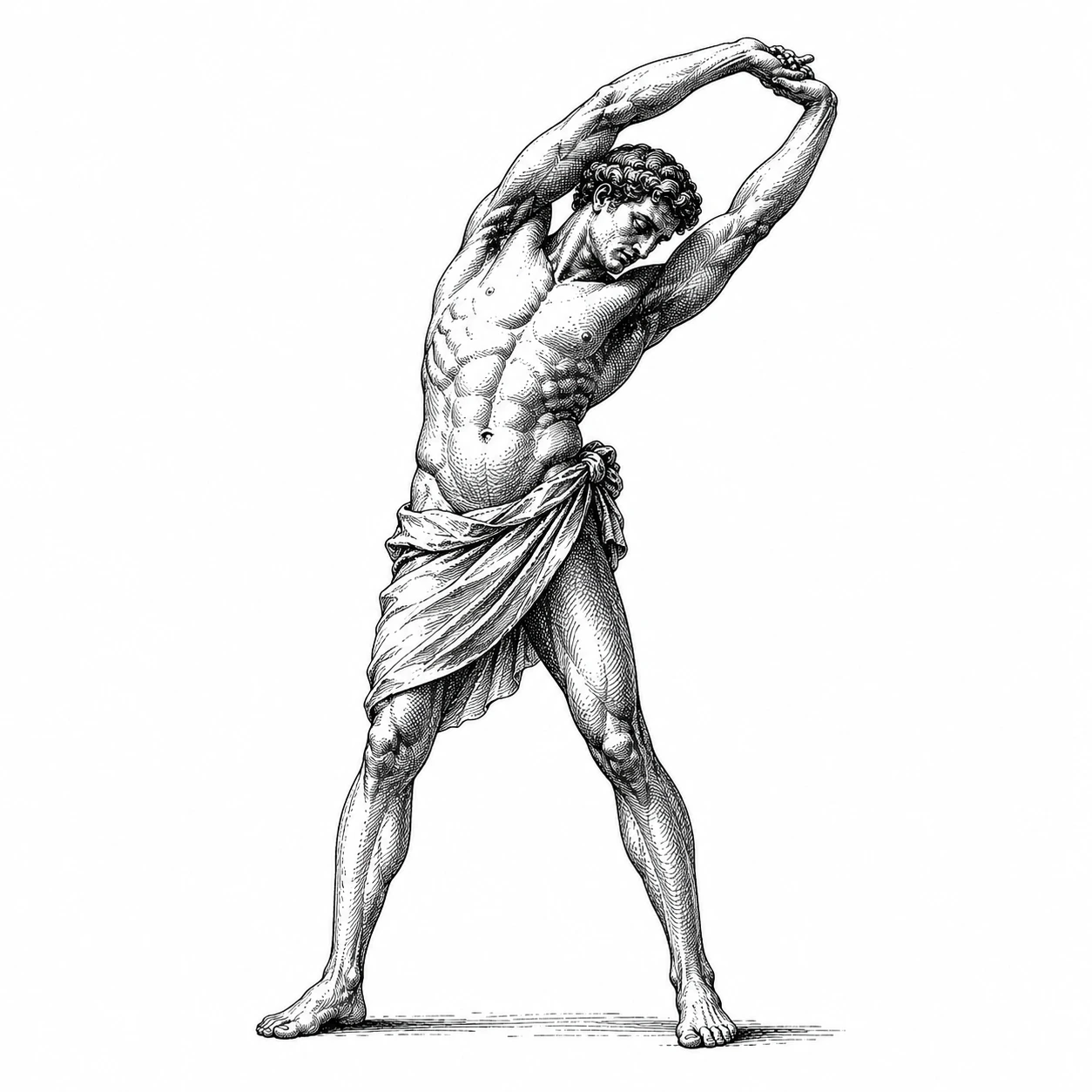
For a long time, psychology tried to locate trauma in different places depending on the paradigm.
In classical psychoanalysis, trauma was understood as something rooted in the past event itself. The unresolved experience remained buried in the unconscious, continuing to influence behavior, relationships, emotional reactions, and identity from underneath awareness.
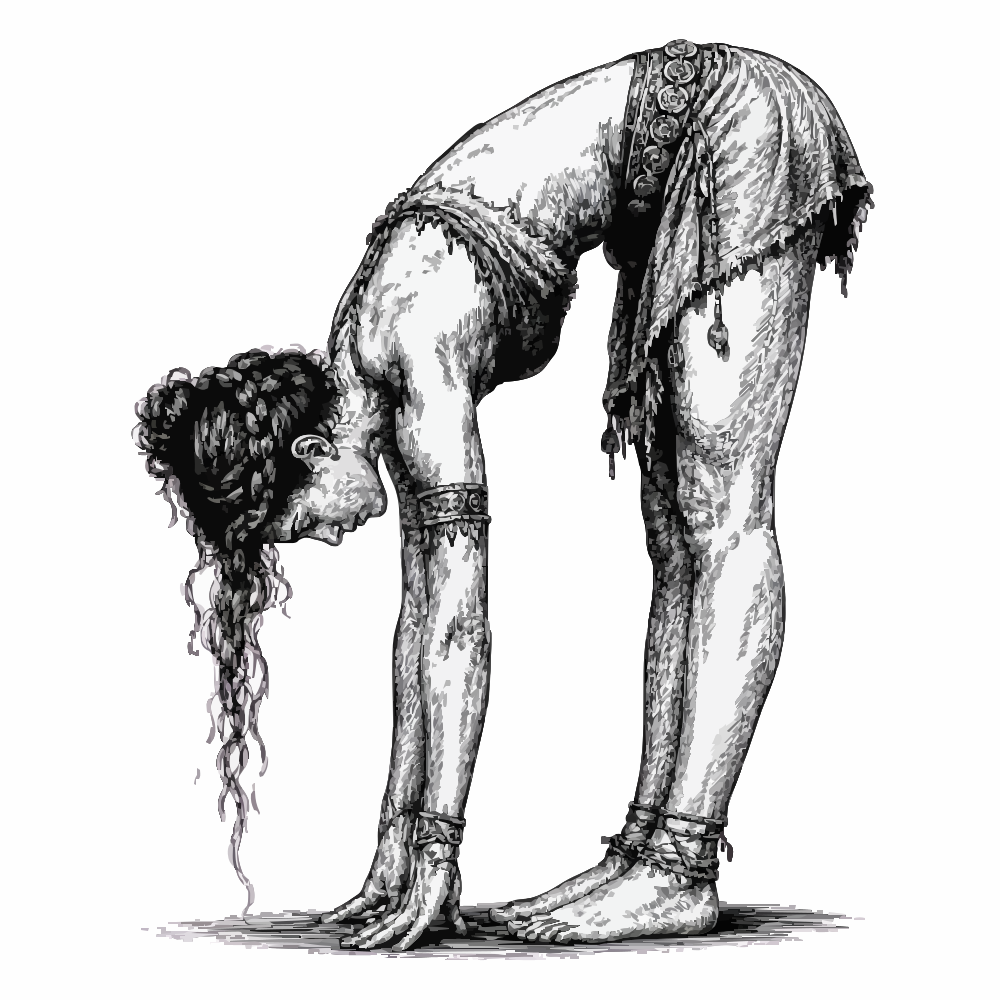
In cognitive behavioural approaches, the focus shifted. Trauma was no longer seen only as the event, but as the meaning the nervous system and mind assigned to the event. The suffering was sustained by interpretation, prediction, memory loops, hypervigilance, and learned perceptual patterns. In this model, changing thought structures could gradually change emotional responses.
In parts-based therapies such as Internal Family Systems, trauma began to be understood as fragmentation within the psyche. Different protective parts emerge to help the organism survive overwhelming experiences. One part avoids, another attacks, another dissociates, another pleases. Symptoms are no longer viewed as pathology, but as intelligent survival adaptations.
Somatic approaches introduced another major shift, because the body itself became central to understanding trauma, not only as a place where symptoms appear, but as the living system where the experience was never fully completed.
The autonomic nervous system, fascia, breath, muscular contraction, posture, gut tension, trembling responses, defensive reflexes, hormonal activation patterns, and procedural memory all became part of the conversation, showing us that trauma is not only remembered through thought, but also repeated through the way the body protects itself.
From this perspective, fear, shame, grief, anger, numbness, or safety are not just emotional concepts or psychological labels, but full-body experiences that shape breathing, movement, tension, perception, connection, and the way a person inhabits life. This is where the next paradigm begins: we are no longer understanding emotions only as mental states, but as embodied experiences, as parts of the body still trying to express, complete, release, or reorganize what the mind alone could never resolve.